CONTENT MARKETING
.
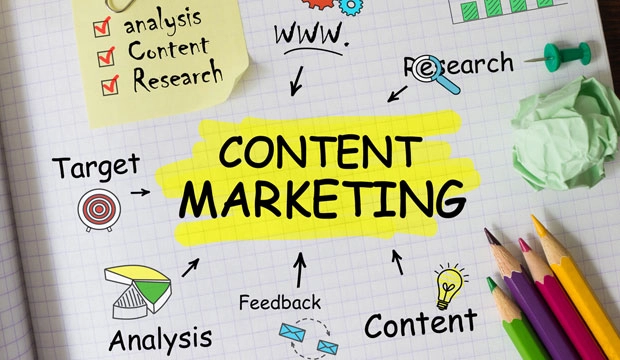
Digital platforms require written content to inform, engage or persuade an audience and form an essential part of Digital Marketing to help communicate the message of businesses to the public.
Content writing is different types of content such as: blogs, sites, social media & product descriptions, email newsletters etc. The purpose of the written content is not just to write; it has to be written with a purpose – whether that purpose is education, brand awareness or increasing sales.
Good content writing needs to be written with the target audience in mind, the correct tone and use of strategies such as Search Engine Optimization to ensure the content is searchable by search engines. Good content writing is creative, concise, clear and consistent to maintain reader interest.

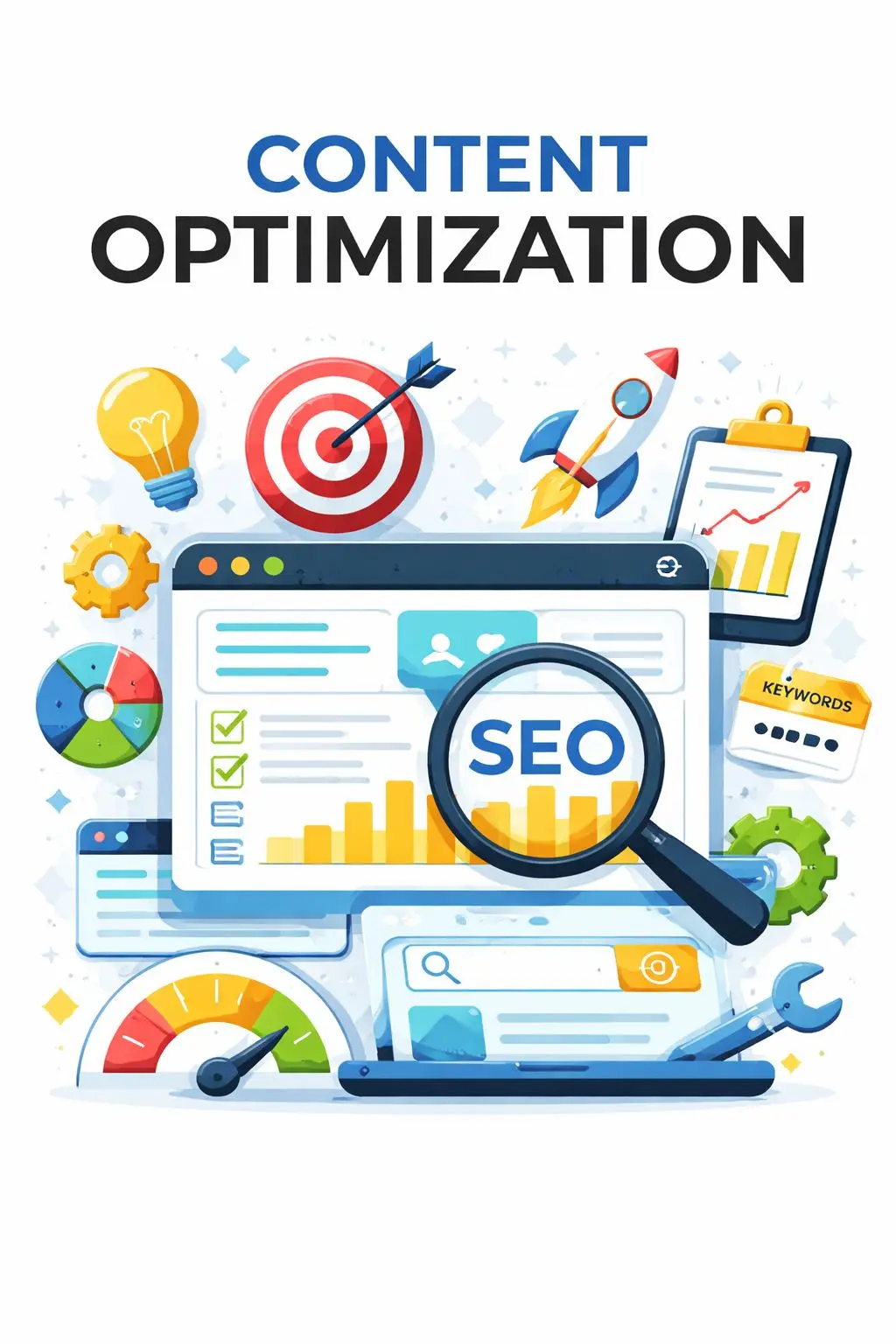
Optimizing your content means improving it so that it will perform better online. This translates into higher rankings in search engines, reaching a target audience, and increasing engagement levels.
Optimizing content is a fundamental part of search engine optimization SEO and digital marketing. Optimizing content is about making your content both useful to end users, as well as, usable by search engines.
Optimizing content includes the continuous updating and refining of multiple aspects of your webpage’s content. These include: Keywords, Headings, Meta description, Images, Readability, and others. As well as making sure that your content clearly answers users intent and provides them with something of value.
For example, optimizing your content with naturally used keyword placement, the addition of appropriately placed headings, improving your page loading speed, and creating readable content will all contribute to improved performance.
.
Planning Content is the process of creating, scheduling and organizing content through your creative process ahead of time with set objectives; particularly around content marketing, social media success, etc. Setting goals will help reduce the likelihood of sharing the wrong message at the wrong time, and to the wrong person.
After you develop goals for your content, the next step is to clearly define your target audience and understand what type of content that audience wants to consume. Once you have that information, you will use it to create a content calendar, which outlines what your topic(s) will be, what formats your content will take (e.g., blog posts, videos, etc.), and when you will publish each piece of content. By following this process on a regular basis, you will have more consistent, strategic, and ultimately effective content compared to completely random.
Good planning will provide you with various balances of different kinds of content (informational, promotional, entertaining) that will keep your audience engaged. Planning will aid in saving time, increasing the quality of your content, and allowing you to monitor performance to allow for adjustments or updates to your goals for improved outcomes over time.